
ERCP

Advanced diagnostic and therapeutic procedure for accurate evaluation and treatment of bile duct and pancreatic duct disorders.

What is ERCP?

Endoscopic Retrograde Cholangiopancreatography (ERCP) is a specialized endoscopic procedure used to diagnose and treat problems of the bile ducts, pancreatic duct, gallbladder, and liver. It combines endoscopy and X-ray imaging to accurately identify blockages, stones, strictures, leaks, or tumors and allows therapeutic intervention in the same procedure.
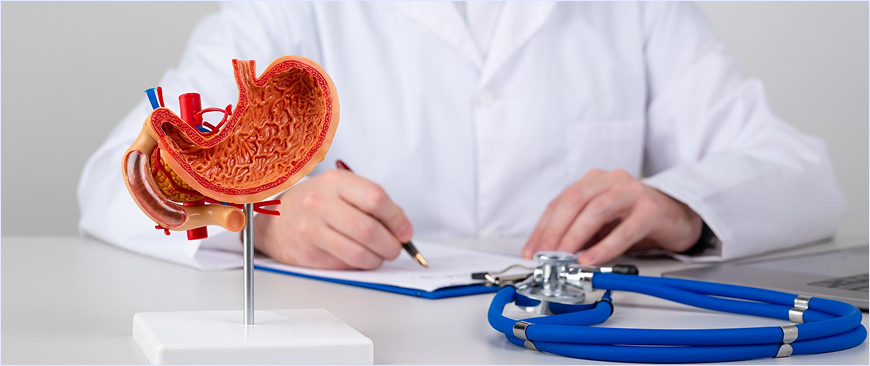
What is ERCP

Conditions Diagnosed Using ERCP

Gallstones in the bile duct (Choledocholithiasis)

Bile duct strictures or narrowing

Gall

Obstructive jaundice

Bile duct or pancreatic tumors

Bile leaks after surgery

Chronic pancreatitis complications

Infections of the bile ducts (Cholangitis)

Gall

Pancreatic duct disorders

Gastrointestinal Bleeding

Irritable Bowel Syndrome (IBS)

Common Symptoms Requiring ERCP

Causes & Risk Factors

Gallstones migrating into the bile duct

Previous gallbladder surgery

Tumors of the pancreas or bile ducts

Congenital bile duct abnormalities

Infections affecting the biliary system

Pancreatic or bile duct inflammation

Alcohol-related pancreatic disease

When Should You See a Gastroenterologist for ERCP?

You should consult a gastroenterologist for ERCP if:

Diagnosis with ERCP at Lumen

At Lumen Gastro, ERCP is performed using advanced endoscopic and fluoroscopic technology to ensure accurate diagnosis. The procedure allows:

Treatment Approach at Lumen Gastro

ERCP at Lumen Gastro is not only diagnostic but also therapeutic. Treatment options include:

Removal of bile duct stones

Management of bile leaks

Placement of biliary or pancreatic stents

Relief of ductal obstruction without surgery

Dilatation of narrowed ducts

Endoscopic procedures

Why Choose Lumen Gastro for ERCP?

FAQs – ERCP

Is ERCP painful?

No, ERCP is performed under sedation, ensuring patient comfort.

The procedure usually takes 30–60 minutes, depending on complexity.

Yes, ERCP is safe when performed by experienced specialists, though minor risks will be explained beforehand.

Most patients require short observation; some may need brief admission based on the procedure.